


Garuda in Orange: How the Netherlands Is Rebuilding Indonesian Football

eyesonindonesia
Amsterdam, August 31, 2026 – For a country of nearly 280 million people — the fourth most populous nation on Earth — Indonesia has spent decades punching far below its weight in the sport it loves most. A single World Cup appearance, in 1938, made under Dutch colonial rule and playing as the “Dutch East Indies,” has stood for generations as both a point of pride and a painful reminder of unfulfilled potential. That is now changing, and the engine behind the transformation is, fittingly, the Netherlands.
A Diaspora Comes Home
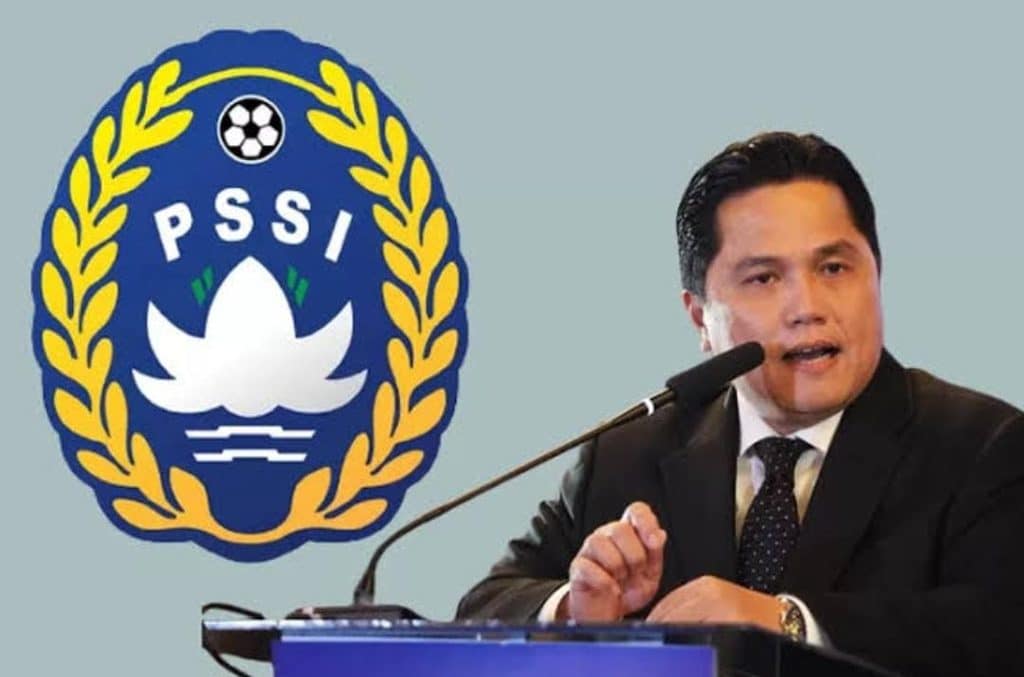
Walk through the Indonesian national team’s locker room today and you’ll hear as much Dutch as Bahasa Indonesia. Under PSSI chairman Erick Thohir, the federation has pursued an aggressive and unapologetic strategy: identify players of Indonesian heritage growing up in the Netherlands’ well-established football pyramid, fast-track their citizenship, and fold them into the Garuda squad. The results have been staggering. Recent national team lists have featured as many as ten Dutch-born players in a single squad, and by some counts nearly nine in ten players called up now hold naturalized status.
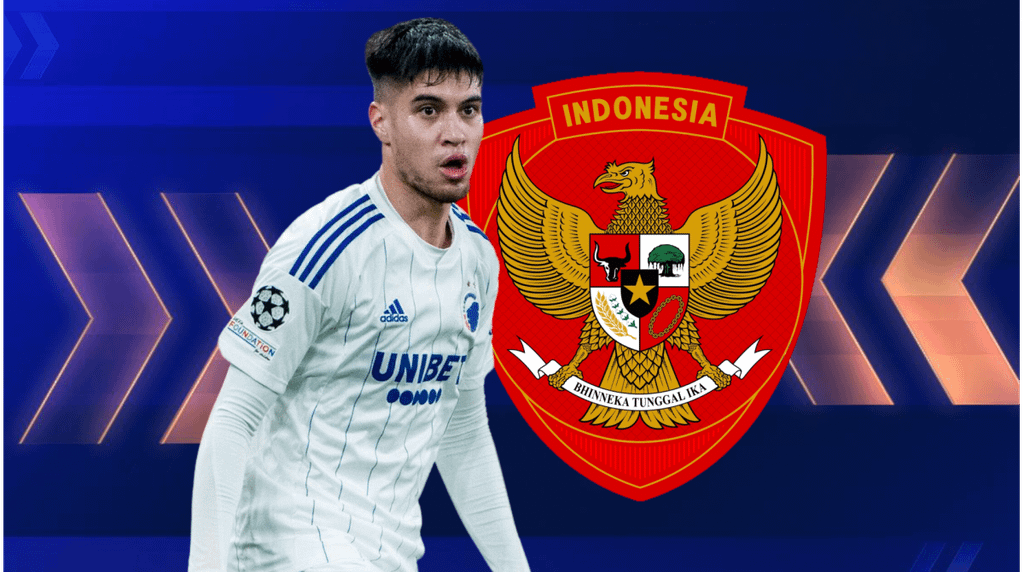
This isn’t a handful of mercenaries chasing a payday. Players like Kevin Diks (born in Apeldoorn, with Moluccan roots through his mother), Jay Idzes, Justin Hubner, Thom Haye, Ivar Jenner, Mees Hilgers, and Calvin Verdonk grew up in Eredivisie academies — Ajax, Feyenoord, Utrecht, Twente — absorbing a footballing culture built on structure, technical development, and tactical discipline. Many trace their ancestry back generations, to grandparents from Maluku, Flores, or other corners of the archipelago who settled in the Netherlands after independence. For them, playing for Indonesia isn’t adoption of a foreign flag — it’s a return.
The Ambition: Qatar Was a Dream, 2026 Is a Plan
Indonesia has never come close to World Cup qualification in the modern era. That changed dramatically during the current cycle. Under coaches including Shin Tae-yong and later Patrick Kluivert — himself a former Dutch international and Ajax and Barcelona great — Indonesia fought its way into the third round of AFC qualifying for the 2026 World Cup, going toe-to-toe with continental heavyweights like Japan and Australia in front of a deafening Gelora Bung Karno Stadium. That alone marked historic progress for a footballing nation more often associated with badminton and its fanatical, occasionally chaotic, fan culture.
The strategy carries real tension at home. Some lawmakers and pundits have questioned whether a team built so heavily on naturalized talent still represents the country in spirit, and whether the approach shortchanges long-term development of homegrown players. PSSI’s counter-argument is pragmatic: naturalized professionals, several of them now playing in Indonesia’s domestic Super League, elevate the standard of every training session and match they’re part of, giving local players direct exposure to habits and techniques forged in more competitive systems. It is, in effect, an accelerated football education delivered by players who already speak the language — literally and tactically — of the world’s game.
Why the Netherlands, Specifically
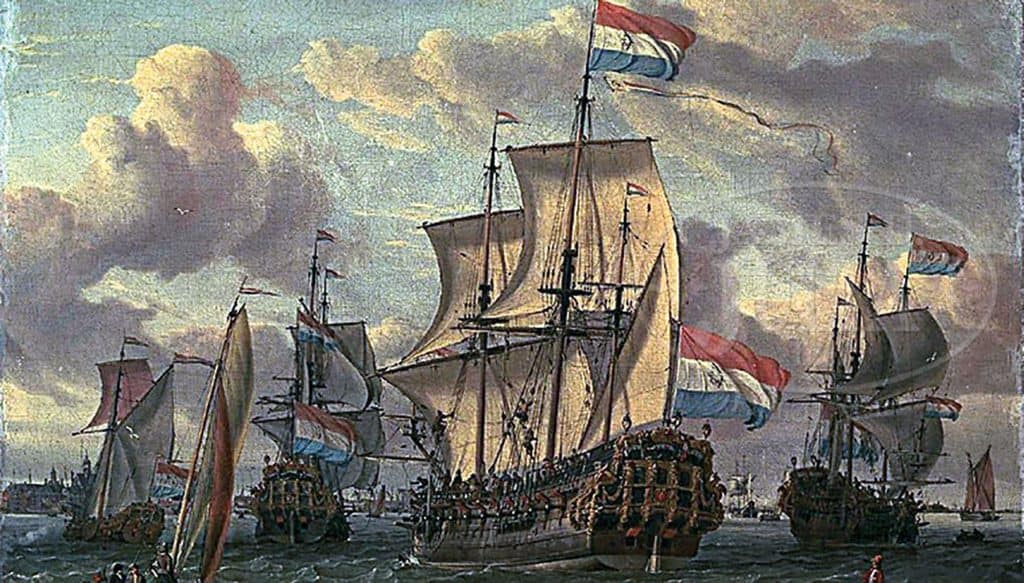
The Dutch pipeline isn’t a coincidence; it’s a legacy. The Netherlands and Indonesia share one of the most significant, complicated relationships in modern history, and today it’s being repurposed into a sporting alliance neither country entirely predicted. Dutch academies remain among the most respected development systems in world football, prizing possession, positional intelligence, and technical grounding — precisely the qualities Indonesian football has historically lacked the infrastructure to build at home. Recruiting from that pipeline, rather than trying to replicate it from scratch, has let Indonesia compress what might have been a generation of development into a few remarkable years.
Final Thought: A Relationship Forged, Broken, and Rebuilt
It’s worth sitting with the layered history behind this partnership. The Netherlands colonized the Indonesian archipelago for more than three centuries, extracting its spices, labor, and wealth under an often brutal system that shaped both nations profoundly. Independence, declared in 1945 and only formally recognized by the Netherlands in 1949 after years of armed conflict, left behind a complicated inheritance: hundreds of thousands of people of mixed Dutch-Indonesian and Moluccan descent settled in the Netherlands, carrying Indonesian names, food, and family stories into Dutch cities for generations.
That diaspora is precisely what now fuels Indonesia’s football revival. It’s a striking, almost poetic reversal — a relationship that began with extraction has, decades later, become one of return and collaboration, at least on the pitch. The two countries maintain deep economic, cultural, and educational ties today, and the sight of Dutch-raised players singing “Indonesia Raya” before a World Cup qualifier is, for many, an emotional marker of how far that relationship has traveled. Whether Indonesia ultimately qualifies for a World Cup or not, the current era has already accomplished something notable: turning a colonial legacy into a source of shared pride rather than only shared pain.