



Indonesia’s Nickel Boom: From Ore to Innovation

eyesonindonesia
Indonesia’s raw ore export ban has already transformed it into the world’s nickel powerhouse, and the chances of building a more sophisticated EV‑focused industry are strong — but success hinges on balancing resource nationalism with foreign investment, technology transfer, and sustainable practices.
The Policy Shift
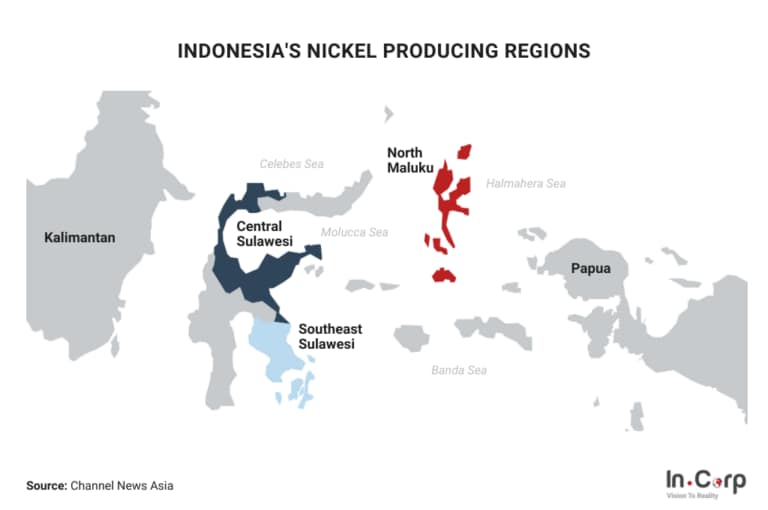
Indonesia, home to the largest nickel reserves globally, banned raw ore exports to force value‑added processing at home. This bold move, part of a broader resource nationalism strategy, has already catapulted Indonesia into the top spot for refined nickel production, accounting for more than half of global supply. Instead of being a mere supplier of raw ore, Indonesia now positions itself as a critical node in the EV battery supply chain.
Why This Matters
Nickel is essential for lithium‑ion batteries, particularly those used in long‑range electric vehicles. By controlling not just mining but also refining and precursor production, Indonesia aims to capture more of the economic value of the EV revolution. The government’s downstreaming policy is designed to attract foreign automakers and battery producers to set up local plants, ensuring that Indonesia is not sidelined as just a raw material exporter.
Opportunities and Challenges
| Opportunities | Challenges |
|---|---|
| Becoming a global hub for EV battery materials | Heavy reliance on foreign technology and capital |
| Boosting GDP and industrial diversification | Risk of policy unpredictability and resource nationalism |
| Creating jobs and infrastructure | Environmental and social concerns around mining and smelting |
| Attracting automakers and cell producers | Competition from alternative chemistries (e.g., LFP batteries) |
Indonesia’s GDP has already seen significant growth, rising from $890 billion in 2014 to $1.4 trillion in 2024, partly fueled by nickel downstreaming. This trajectory suggests that the nickel boom could underpin a broader industrial transformation.
The Road Ahead
The chances of Indonesia building a sophisticated EV‑focused industry are real. The country has:
- Reserves and scale unmatched globally.
- Policy leverage through export bans and incentives.
- Growing partnerships with Chinese, Korean, and Western firms in refining and battery production.
But to fully realize this vision, Indonesia must:
- Ensure stable regulatory frameworks to reassure investors.
- Invest in cleaner technologies to mitigate environmental damage.
- Balance nationalist policies with openness to foreign expertise.
Conclusion: Nickel as Indonesia’s EV Passport
Indonesia’s nickel boom is more than a mining story — it’s a nation‑building strategy. By moving up the value chain from ore to batteries, Indonesia could become a central player in the global EV revolution. The raw ore ban is the first step; the next challenge is to build a sustainable, technologically advanced ecosystem that turns nickel into not just refined metal, but into the energy driving the cars of the future.
Sources:
- Indonesia’s nickel downstreaming in the geopolitics of the global EV battery industry: a political economy and scenario modeling analysis | Mineral Economics
- Nacionalismo de Recursos Naturais na Indonésia: Níquel, Baterias para Veículos Elétricos e Política Industrial – BRICS TODAY
- How Indonesia became the world’s nickel powerhouse